Fitness training library
The Workout Lab
Five training zones, each with a sample session you can run today, the coaching cues that matter most and simple ways to scale the work up or down.
Strength floor
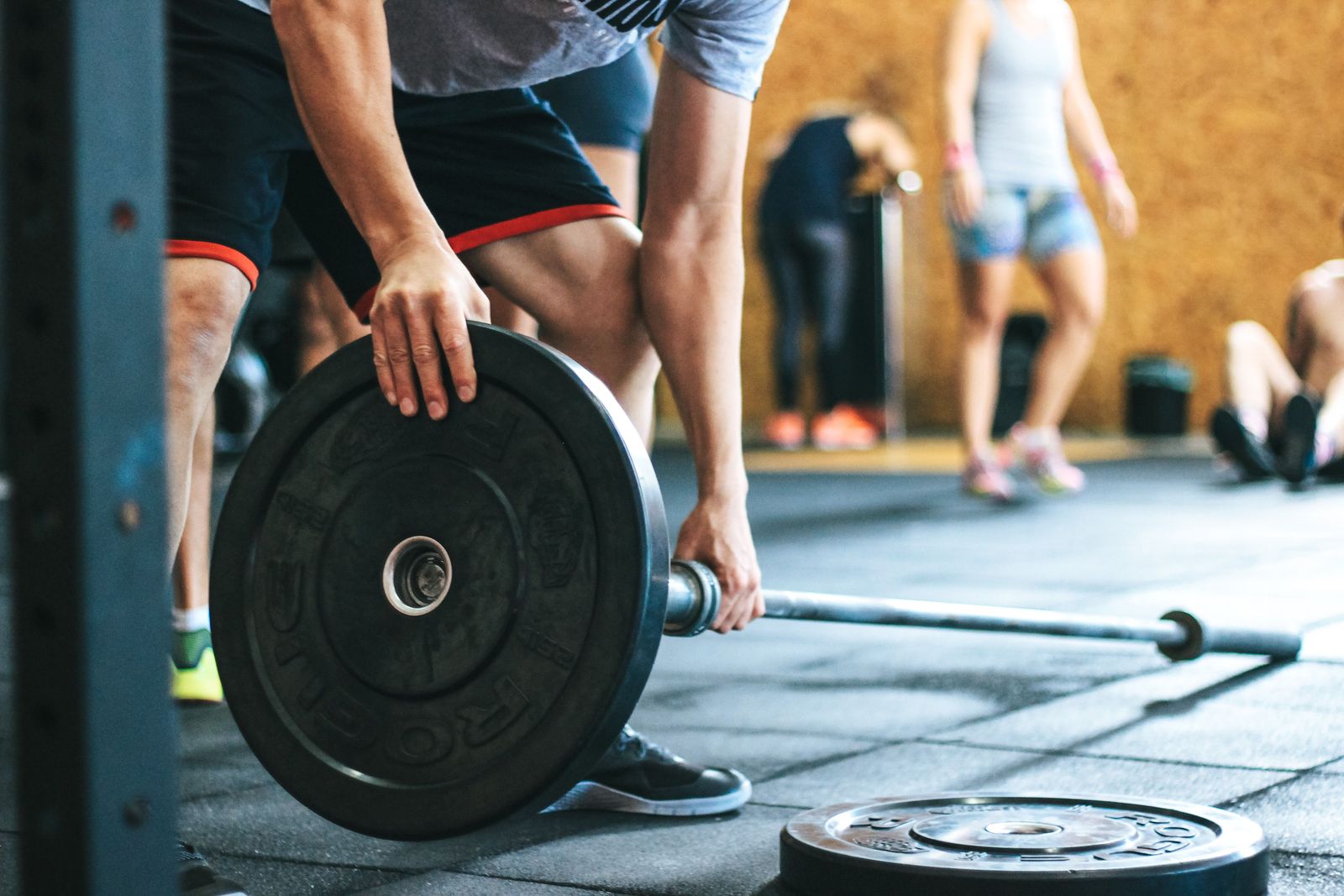
Strength training is built on a handful of movement patterns: squat, hinge, push, pull and carry. Master those and almost every other exercise becomes a variation.
Choose one main lift per session and give it your best energy. Rest fully between work sets so each one is high quality, then finish with two or three accessory movements that support the main lift. Increase load only when every rep of the previous session looked and felt controlled.
Sample session · Full-body strength
Approx. 60 min- Warm-up: bodyweight squats, band pull-aparts, empty-bar presses8–10 minutes, gradually increasing range and speed
- Barbell back squat or goblet squat4 sets of 5–6 reps · rest 2–3 minutes
- Barbell bench press or dumbbell press4 sets of 6–8 reps · rest 2 minutes
- Romanian deadlift3 sets of 8 reps · slow lowering phase
- One-arm dumbbell row3 sets of 10 reps each side
- Farmer carry3 walks of about 30 metres with a tall posture
Coaching cues
- Set your feet and grip the same way on every rep.
- Breathe in and brace your trunk before the bar moves.
- Keep the bar path smooth — no bouncing out of the bottom.
- End the set when form changes, not when you collapse.
Conditioning engine
Conditioning is the ability to repeat effort. It makes daily life easier, helps you recover between strength sets and simply feels good once it is built.
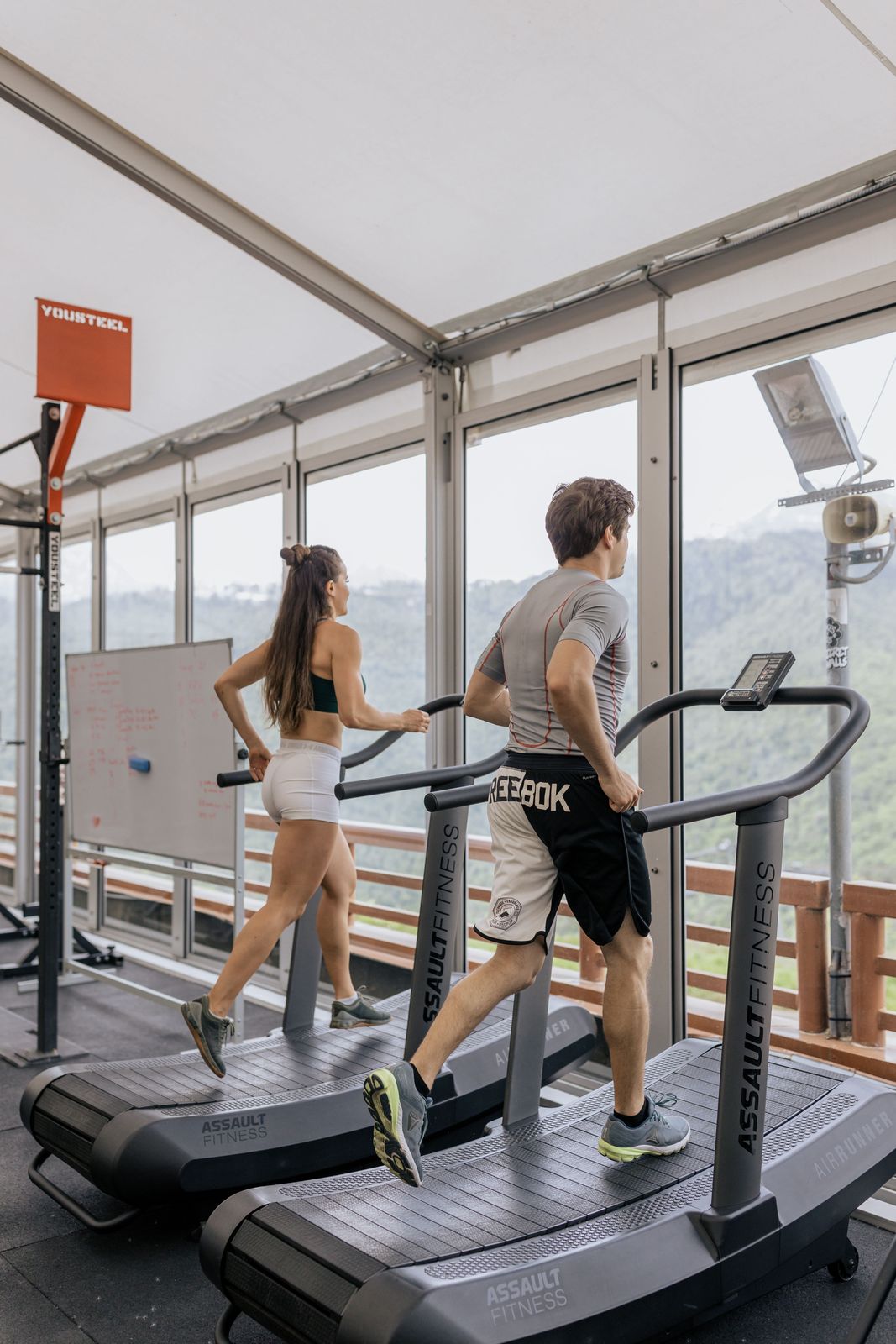
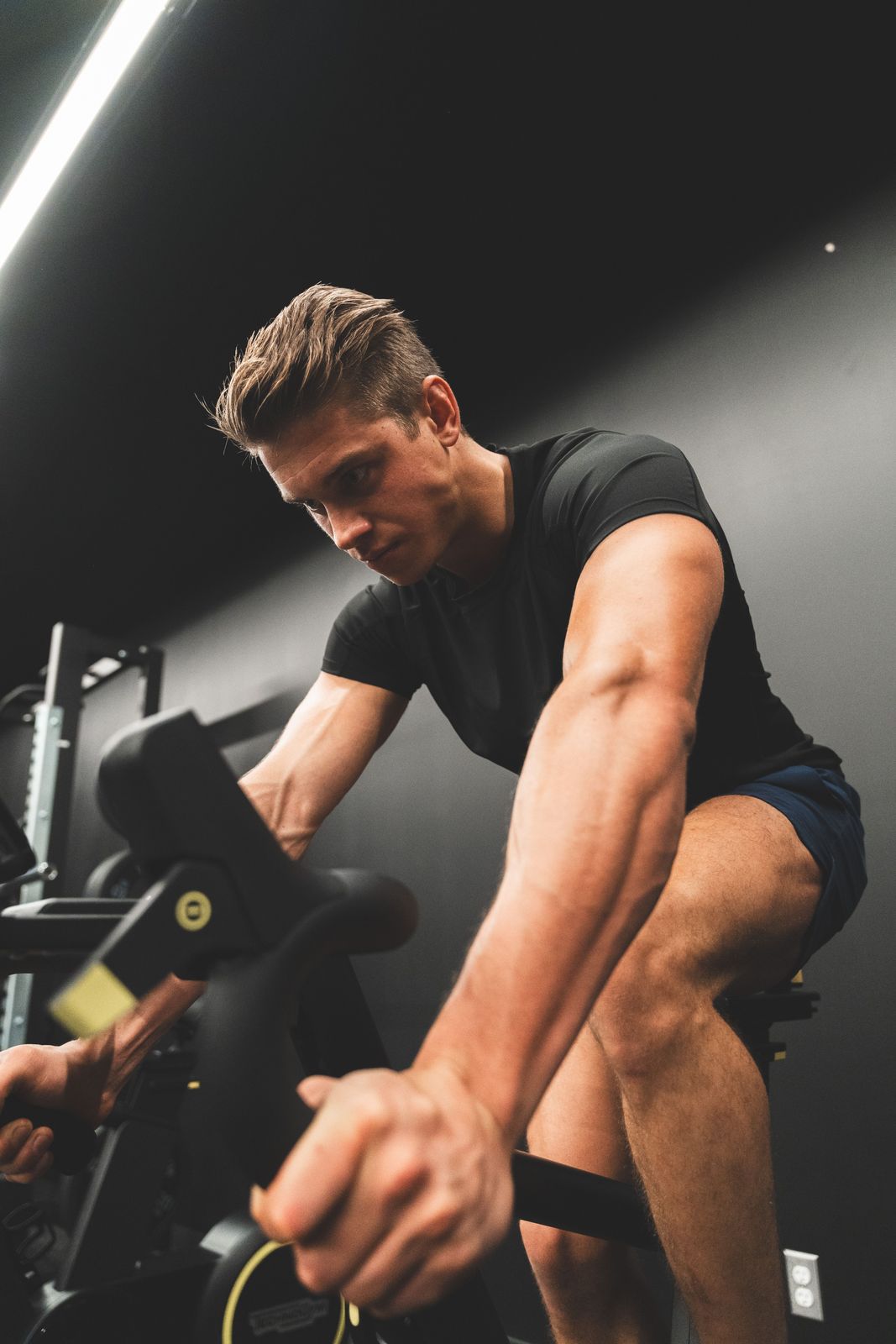
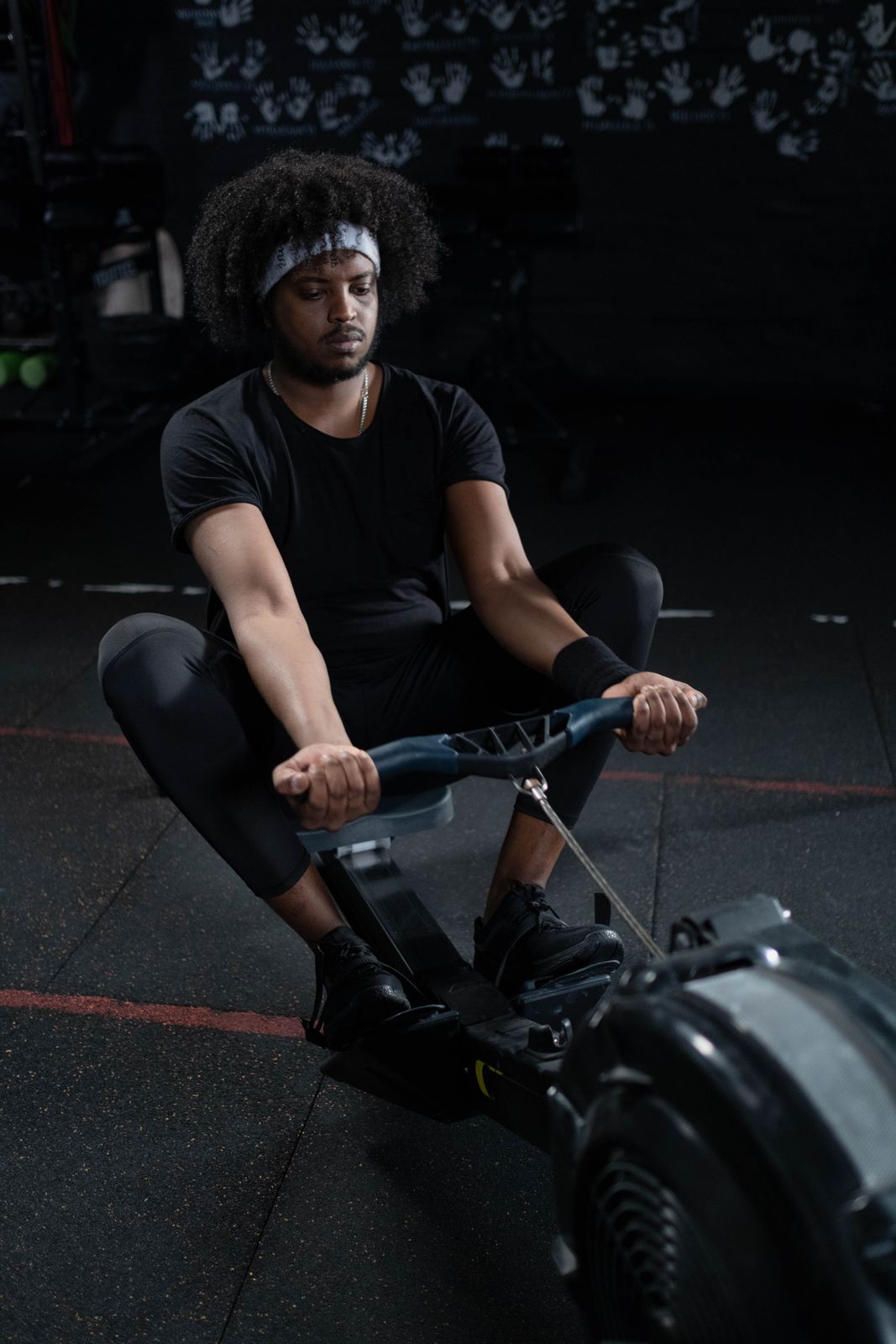
Mix two types of work across the week. Steady sessions at a pace where you could still hold a conversation build your base. Interval sessions alternate hard efforts with easy recovery and sharpen your top end. Curved treadmills, rowers and air bikes are all excellent tools because you control the pace with your own effort.
Sample session · Machine intervals
Approx. 40 min- Easy warm-up on any machine8 minutes, building from very easy to moderate
- Rower: hard 250 m, easy 90 seconds5 rounds · focus on long, powerful strokes
- Air bike: 20 seconds hard, 40 seconds easy8 rounds · arms and legs together
- Curved treadmill: 30-second strides6 rounds · walk back to recover
- Cool-down walk and breathing5–8 minutes until breathing settles
Pacing cues
- Your first interval should feel slightly too easy.
- Aim to hold the same output in the last round as the first.
- On the rower: legs, then body, then arms — reverse on the way back.
- Easy means easy. Recovery is part of the interval.
Core control
Your core is more than visible abs. It is the system that keeps your trunk stable while your arms and legs produce force.
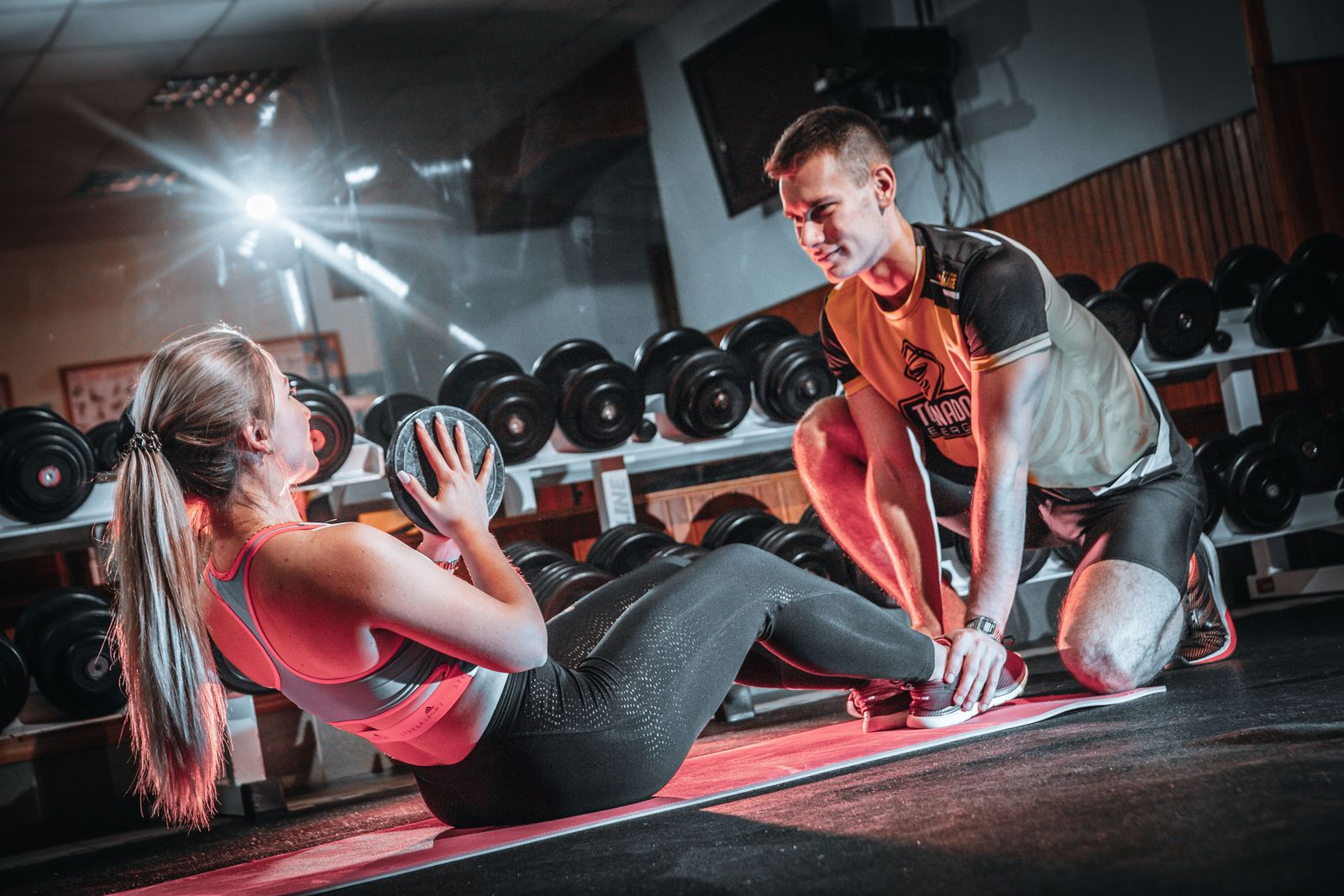
Good core training covers four jobs: resisting extension (planks, dead bugs), resisting rotation (presses and carries), controlled flexion (sit-ups, crunches) and lateral stability (side planks, suitcase carries). Slow tempo and quality breathing matter more than chasing high rep counts.
Sample circuit · Core control
3 rounds- Dead bug8 slow reps each side · lower back stays down
- Weighted sit-up with a light plate10 reps · two seconds up, three seconds down
- Side plank20–30 seconds each side
- Half-kneeling cable or band anti-rotation press10 reps each side
- Suitcase carry2 walks each hand
Form cues
- Exhale fully at the hardest point of each rep.
- Ribs down, pelvis neutral — avoid arching to cheat the rep.
- If your neck is doing the work, rest your tongue on the roof of your mouth and look slightly up.
Recovery & low impact
Training creates the stimulus; recovery lets your body respond to it. Treat lighter days as part of the programme rather than a break from it.
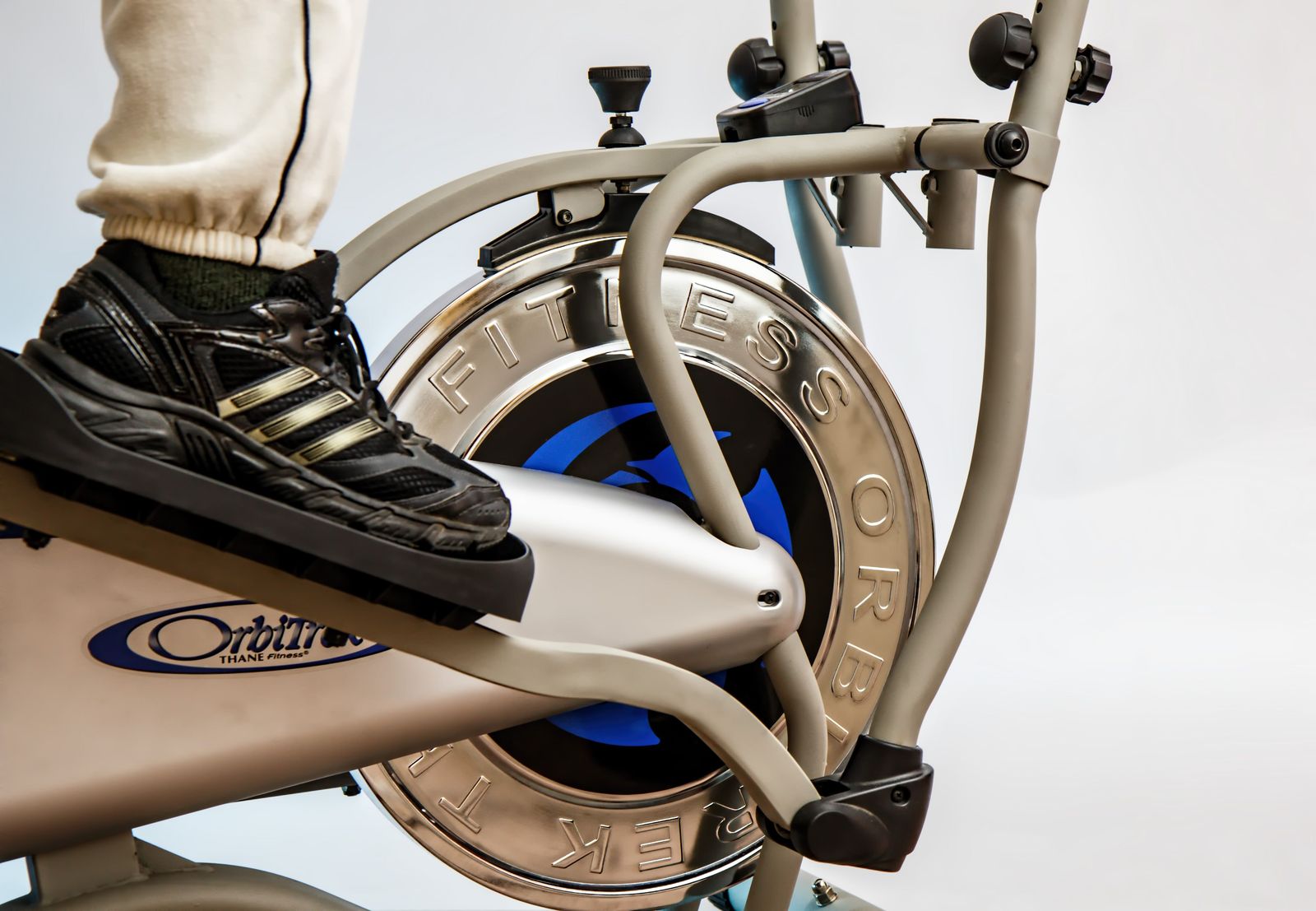
Low-impact cardio such as the elliptical keeps blood moving without heavy joint loading. Pair it with gentle mobility and you have a session that leaves you feeling better than when you started. Outside the gym, consistent sleep, regular meals and managing daily stress make the biggest difference.
Sample session · Active recovery
Approx. 35 min- Elliptical at conversational pace15–20 minutes
- Hip flexor and calf stretch2 × 45 seconds each side
- Thoracic rotations on the floor8 slow reps each side
- Glute bridge hold3 × 20 seconds
- Box breathing on your back4 seconds in, hold, out, hold — 3 minutes
Signs you need an easier day
- Usual warm-up weights feel unusually heavy.
- Sleep has been short or broken for several nights.
- Joints feel achy rather than just muscles feeling worked.
Home kit training
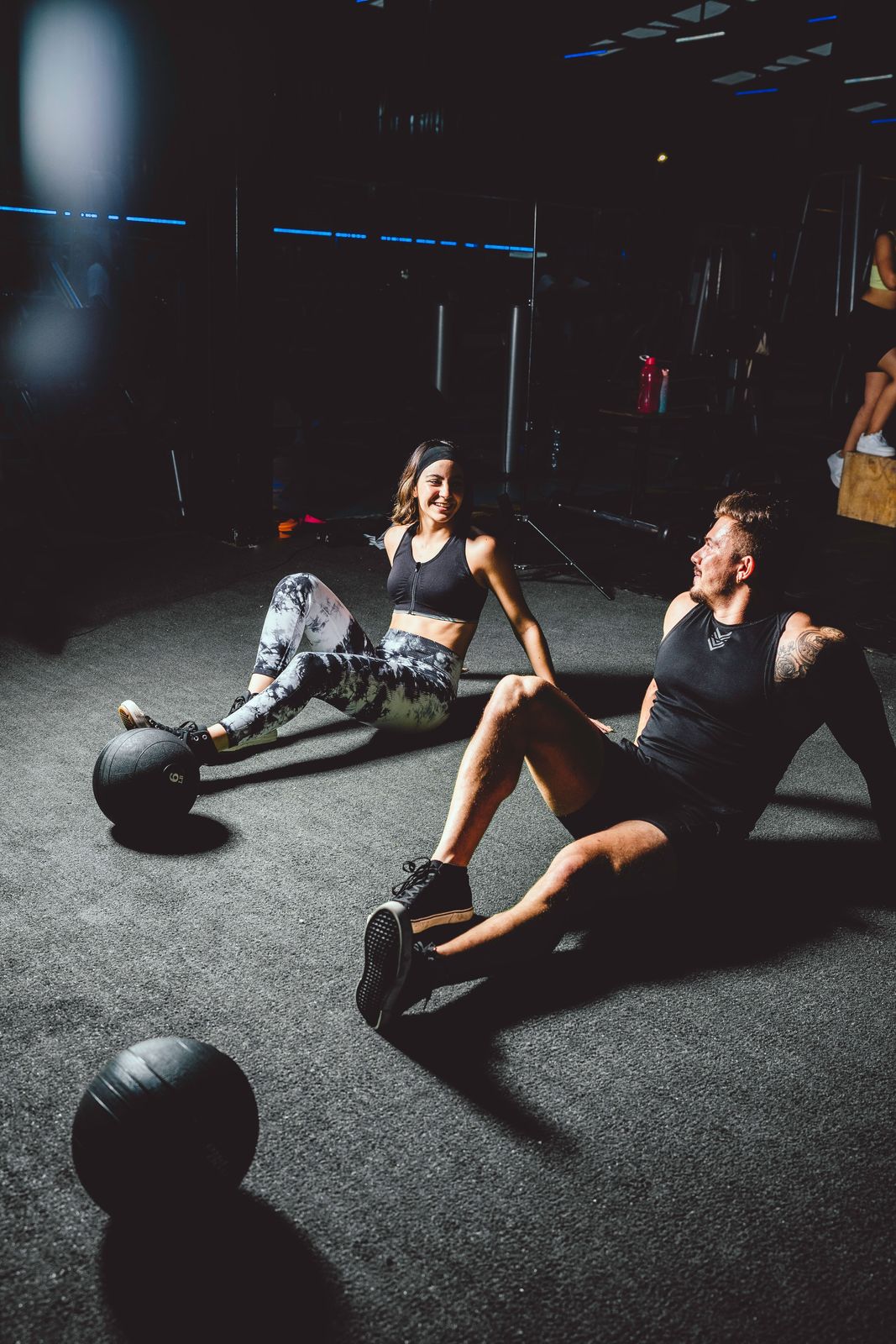
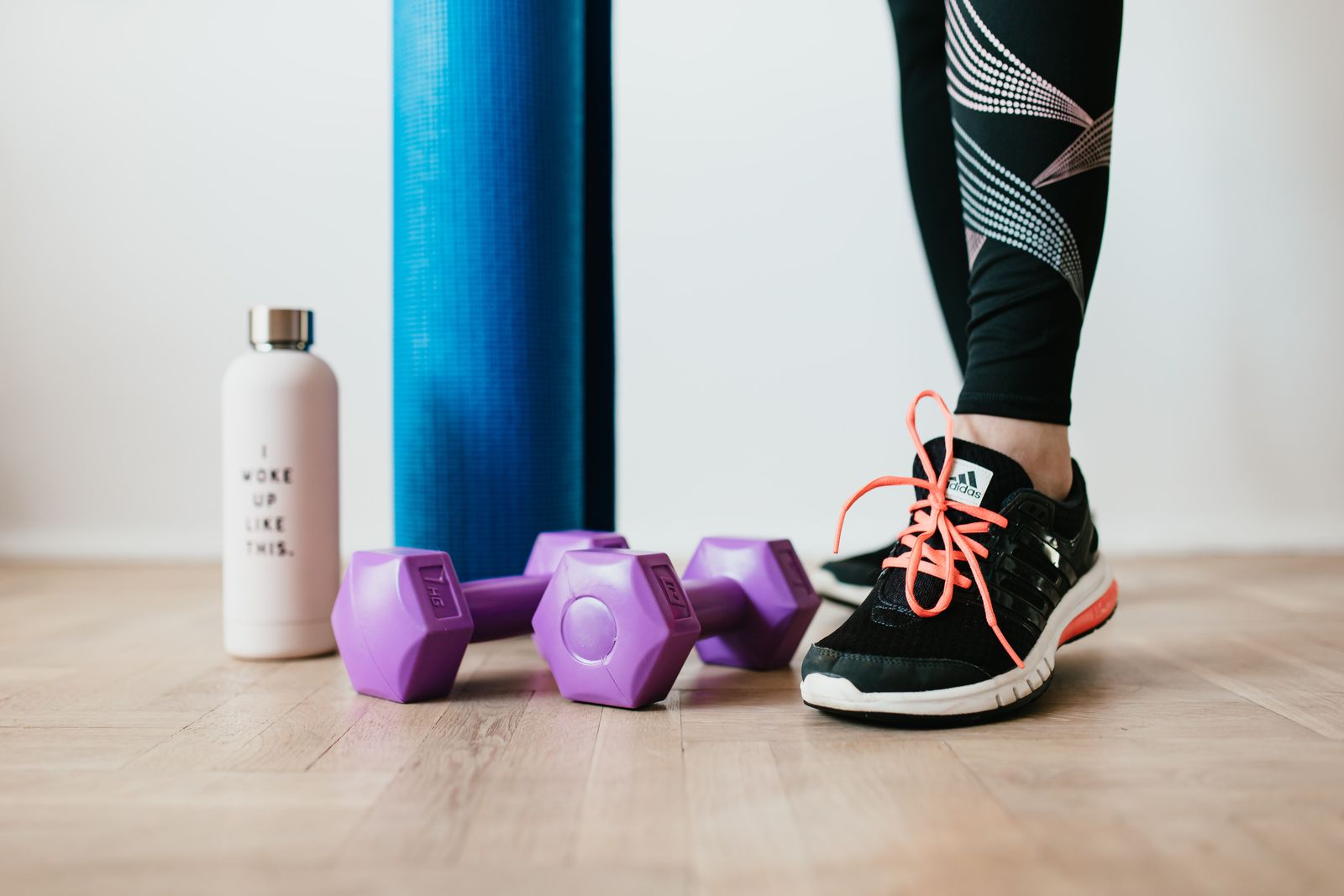
No gym today? A mat, a pair of light dumbbells and a little floor space are enough for a complete session.
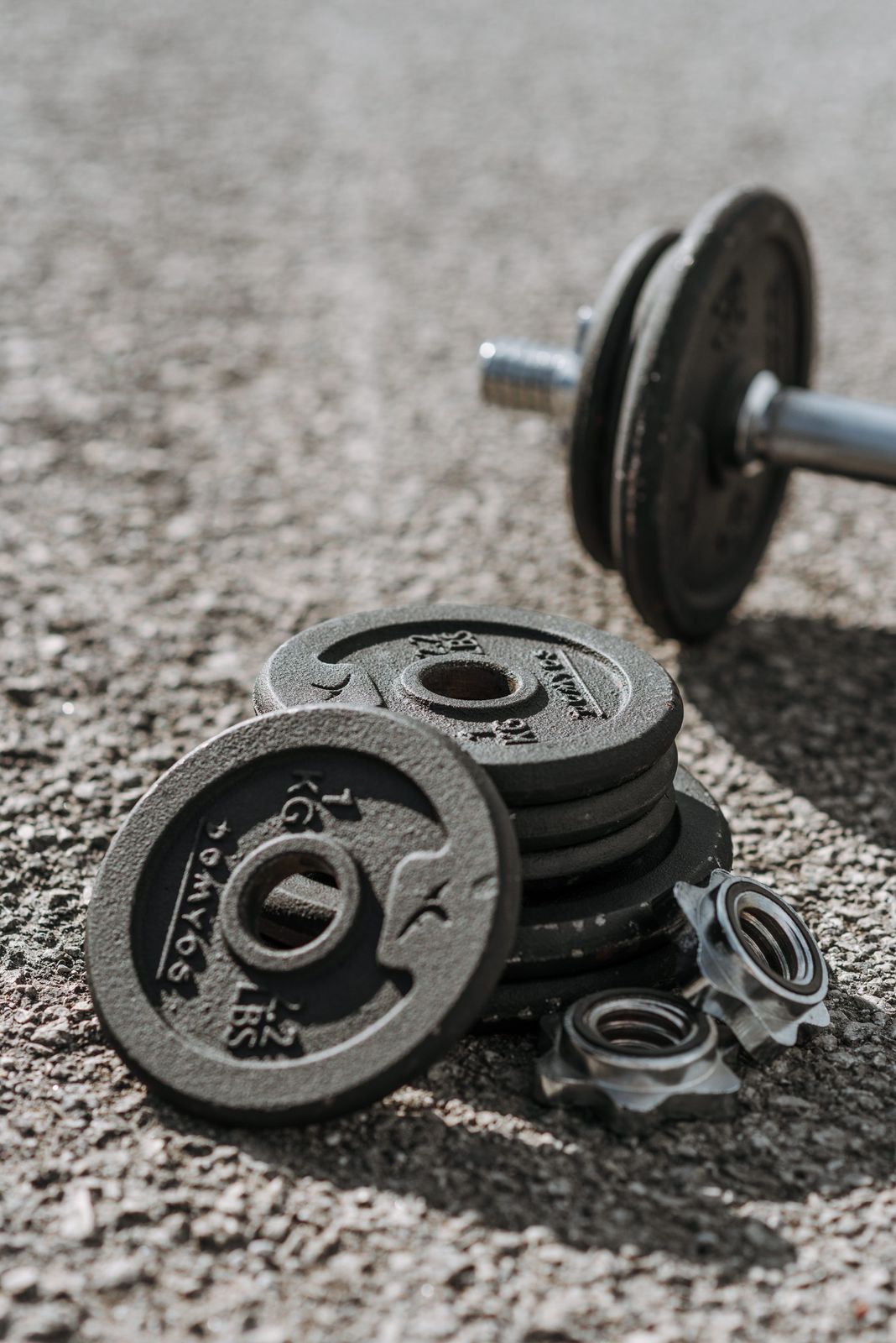
With lighter weights, make exercises harder by slowing the tempo, pausing at the hardest point, training one side at a time or reducing rest. Adjustable dumbbells and loadable plates let you add weight gradually as you get stronger.
Sample session · Living-room circuit
4 rounds- Goblet squat with a pause at the bottom12 reps
- Push-ups (hands raised if needed)8–12 reps
- Single-leg Romanian deadlift8 reps each side
- Bent-over dumbbell row12 reps
- Plank shoulder taps16 taps · rest 60–90 seconds after the round
Make it work at home
- Clear a space at least the length of your mat on all sides.
- Wear supportive shoes for standing exercises.
- Keep water within reach and the room ventilated.
Putting it together
An example training week
This is one way to arrange the zones over seven days. It is an example, not a prescription — move days around to suit your schedule and keep at least one full rest day.
Common questions
Training questions, answered
How much weight should I start with?
Start lighter than you think. Pick a load you could lift for two or three more reps than the session asks for, with perfect form. Use the first couple of weeks to learn the movements, then add weight in small steps.
How long should I rest between sets?
For heavy strength sets, two to three minutes lets you repeat quality efforts. For accessory work and circuits, 45 to 90 seconds is usually enough. During intervals, the rest is set by the session itself.
Should I do cardio before or after lifting?
If strength is the priority that day, lift first while you are fresh and finish with conditioning. On days dedicated to conditioning, a short warm-up is all you need before the main work.
Is it normal to feel sore after training?
Some muscle soreness a day or two after a new or harder session is common and usually fades as you adapt. Sharp, sudden or joint pain is different — stop the exercise and get it checked by a qualified professional.
Can I follow these sessions as a beginner?
Yes, with sensible adjustments: fewer sets, lighter loads and simpler variations such as goblet squats instead of barbell squats. Every session is written so you can scale it down without losing its purpose.
Train safely
The workouts on this page are general fitness information, not personalised medical or training advice. If you are new to exercise, pregnant, recovering from injury or managing a health condition, speak with a doctor or qualified professional before starting. Stop any exercise that causes pain, dizziness or unusual shortness of breath.
Questions about a session?
If something in the Workout Lab is unclear, write to the team behind the site. Back to the start? The Training Base has the overview.